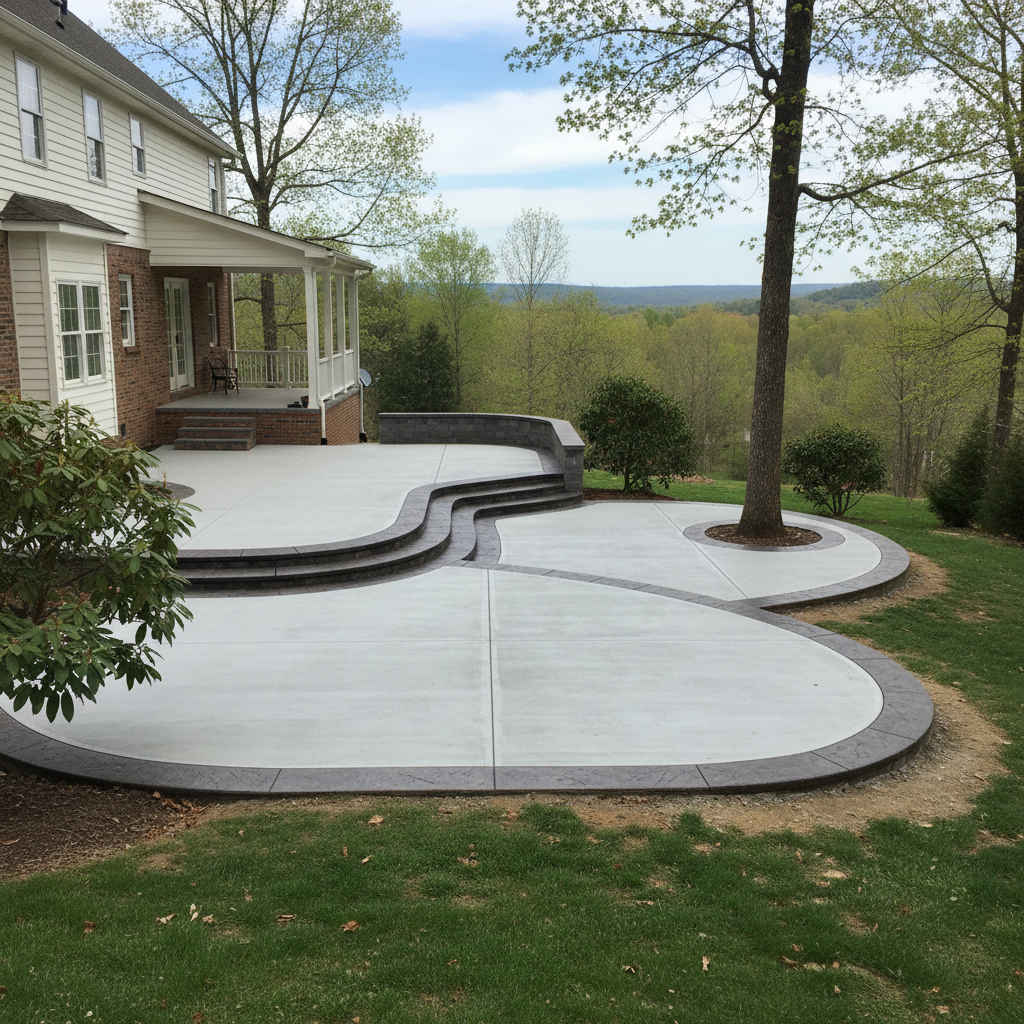
So, you're dreaming of a new concrete patio. Maybe it's a spot for the grill, a place for the kids to play, or just somewhere nice to relax after a long day. That's a great idea, and a well-built concrete patio adds real value and enjoyment to your home. But before you jump in, you need a plan. A good plan makes all the difference between a smooth project and a headache. Let's walk through what you should expect and how to get ready.
The Project Timeline: What to Expect
People often underestimate how long a concrete patio project actually takes. It's not just a day or two of pouring. There are several stages, and each one needs its own time.
- Initial Contact & Consultation (1-2 weeks): First, you'll reach out to a few contractors. We'll come out, look at your space, talk about your ideas, and measure everything up. This is where you get your estimates. Don't rush this part; it's crucial for getting a clear picture of costs and options.
- Design & Permitting (2-4 weeks, or more): Once you pick a contractor, you'll finalize the design. If your patio is large, involves complex drainage, or is close to property lines, you might need a permit from the city of Petersburg. This can take a few weeks, so factor that in. Good contractors handle this for you, but it's still part of the timeline.
- Scheduling (2-6 weeks out): Reputable concrete companies, like Genesis Concrete Co, are usually booked a few weeks or even months in advance, especially during peak seasons like spring and fall. Don't expect us to start tomorrow. We'll give you an estimated start date, and we stick to it as best we can, weather permitting.
- Preparation & Pour (3-7 days): This is the active construction phase. We'll clear the area, excavate, lay down a proper sub-base, compact it, set up forms, and install any rebar or wire mesh. Then comes the pour itself, followed by finishing work like brooming or stamping.
- Curing (7-28 days): This is the most important part you can't rush. Concrete needs time to cure and gain strength. You can usually walk on it after 24-48 hours, but you shouldn't place heavy furniture or drive vehicles on it for at least a week, and often longer for full strength. We'll tell you the specific timeline for your project.
So, from your first call to being able to fully use your patio, you're realistically looking at anywhere from 6 to 16 weeks. Patience is key here.
What Happens During the Installation Process?
When we're on site, here's the general flow:
- Site Preparation: We'll mark out the patio area. This often involves digging out existing grass, soil, or old pavers. We're talking about dirt moving, so expect some noise and dust. We'll make sure the grade is correct for drainage, especially important around here where we get some serious summer downpours.
- Sub-base Installation: A good patio needs a solid foundation. We'll bring in gravel or crushed stone, spread it evenly, and compact it down tight. This prevents settling and cracking later on.
- Formwork & Reinforcement: Wooden or plastic forms define the edges of your patio. Then, we'll lay down steel rebar or wire mesh. This isn't just for show; it gives the concrete tensile strength and helps prevent cracks from spreading.
- The Pour: This is the big day. The concrete truck arrives, and we get to work. It's a fast-paced process to get the concrete distributed, leveled, and floated.
- Finishing: Once the concrete is placed, we'll do the finishing work. This could be a broom finish for texture and slip resistance, or if you chose decorative concrete, we'll apply stamps or color. Control joints are cut into the concrete to manage where cracks will naturally occur.
- Curing: After we leave, the concrete starts to harden. We might apply a curing compound or recommend you keep it damp for a few days, especially if it's hot and dry. This helps the concrete cure slowly and properly, making it stronger and more durable.
How to Prepare Your Home and Yard
You can do a few things to make the process easier for everyone:
- Clear the Area: Move any outdoor furniture, planters, grills, or anything else from the proposed patio site and the access path. We need clear, unobstructed access for our equipment and materials.
- Trim Landscaping: If you have bushes or tree branches hanging over the area, trim them back. We don't want to damage your plants, and we need room to work.
- Mark Sprinkler Heads & Utilities: If you have an irrigation system, mark your sprinkler heads clearly. If you know of any buried utility lines (gas, water, electric, cable), let us know. We'll call 811 before digging, but your input is always helpful.
- Plan for Pets & Kids: Keep pets and children away from the work area during construction. It's a busy, potentially dangerous zone with heavy equipment and wet concrete.
- Access to Water/Power: We might need access to an outdoor water spigot or an electrical outlet for some tools. Just let us know what's available.
- Communicate: If you have any questions or concerns before or during the project, just ask! We're here to help.
Questions to Ask Before You Sign
Don't just go with the cheapest bid. Ask these questions to make sure you're getting a quality job from a reliable contractor:
- What's included in the price? Get a detailed breakdown. Does it include excavation, sub-base, reinforcement, concrete, finishing, and cleanup? What about disposal of old materials?
- What kind of sub-base do you use, and how thick will it be? This is critical for longevity. You want at least 4-6 inches of compacted gravel. Around Petersburg, with our clay soils in some areas, proper compaction and drainage are extra important.
- Will you use reinforcement (rebar or wire mesh)? Always say yes to this. It adds strength.
- How thick will the concrete slab be? For a patio, you want at least 4 inches.
- What's your plan for drainage? Where will the water go? You don't want it pooling on your patio or running towards your house.
- What kind of control joints will you use, and how will they be spaced? These are essential for managing cracks.
- What's your warranty on the work? A good contractor stands behind their work.
- Can I see examples of your previous patio work? Pictures are good, but if you can drive by a local job, even better.
- Are you licensed and insured? Don't even consider working with someone who isn't.
- What's the payment schedule? A reputable contractor won't ask for 100% upfront. There's usually an initial deposit, progress payments, and a final payment upon completion.
Asking these questions upfront helps you understand exactly what you're paying for and ensures you're working with a professional who knows their stuff. A concrete patio is a big investment, and with proper planning and the right crew, you'll have a beautiful, durable outdoor space to enjoy for years to come.