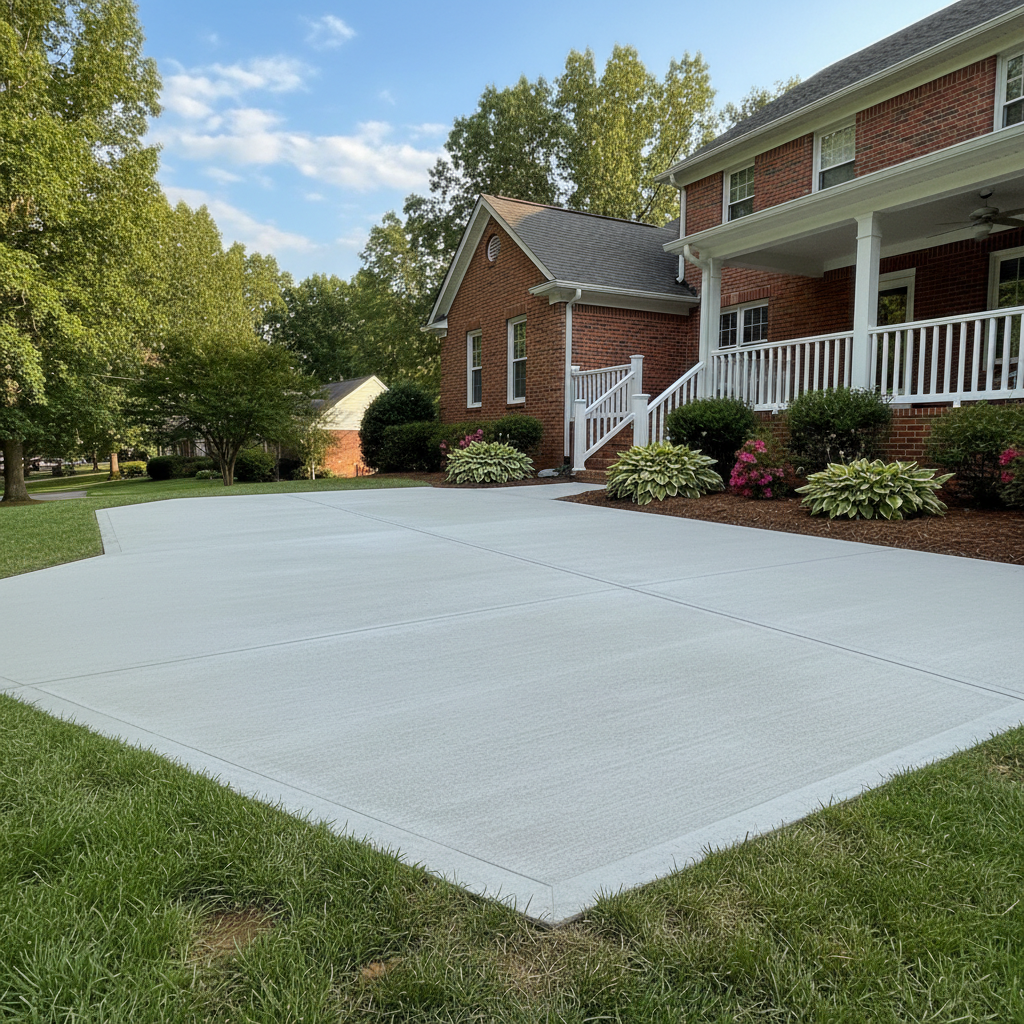
You’ve got concrete flatwork around your place, right? Maybe it’s your driveway, a sidewalk, or that nice patio out back. It’s tough stuff, no doubt, but even concrete needs a little attention to really last. Especially here in Petersburg, with our hot, humid summers and those occasional freezing winters, your concrete takes a beating. Ignoring it? Well, that’s just asking for trouble down the road.
Make Your Concrete Last Longer
The biggest thing you can do to make your concrete last is pretty simple: keep it clean and seal it. I know, sounds too easy, doesn't it? But it’s true. Dirt, grime, oil spills, and even just leaves sitting on the surface can break down your concrete over time. Then you add in the freeze-thaw cycles we get, where water seeps into tiny cracks, freezes, expands, and makes those cracks bigger. Sealing is your best defense against all that.
Think of sealer as sunscreen for your concrete, but also a raincoat. It creates a barrier that keeps out water, oil, and other stains. It also helps protect against UV rays, which can fade colored concrete over time. For most residential flatwork, you're looking at resealing every 2-5 years. This depends on the type of sealer you use and how much traffic the concrete sees, obviously. If you've got a busy driveway, you'll probably want to do it more often than a quiet backyard path.
Another big one is proper drainage. If water is constantly pooling on your concrete, or running underneath it and eroding the base, you're going to have problems. Make sure your gutters are working, and that the ground around your concrete slopes away from it. This is especially true for older homes in areas like the Walnut Hill neighborhood where foundations might have settled over the years, leading to uneven water runoff.
What Does 'Regular Maintenance' Actually Mean?
So, what does 'regular maintenance' actually look like? It's not rocket science, I promise.
- Keep it Clean: Sweep off loose dirt, leaves, and debris regularly. If you spill something, clean it up quickly. Oil, grease, and even some fertilizers can stain or etch concrete if left too long. A good pressure washing once a year can do wonders, but don't go crazy with the highest pressure setting, especially on older or decorative concrete.
- Watch for Weeds: Weeds and grass love to sprout in cracks. Pull them out as soon as you see them; their roots can expand those cracks, making small problems much bigger.
- Address Stains Promptly: For oil, kitty litter can absorb a lot of it if applied right away. Then you can scrub with a stiff brush and a degreaser. For rust stains, there are specific rust removers for concrete. Just make sure to follow the product directions carefully.
- Seal it Up: As I mentioned, plan to reseal every few years. It's a weekend job for most homeowners, and it really pays off in the long run. Genesis Concrete Co. can advise you on the best type of sealer for your specific concrete and even apply it for you if you'd rather not tackle it yourself.
Warning Signs: When Something's Not Right
Your concrete will usually tell you when it's unhappy. You just need to know what to look for.
- Cracks: Small hairline cracks are often normal, especially with our clay-heavy soils here in Virginia. But if you see cracks that are wider than a credit card, or if they're growing quickly, or if one side of the crack is higher than the other, that's a red flag.
- Spalling or Flaking: This is when the surface of the concrete starts to peel, flake, or pit. It's often caused by freeze-thaw cycles or poor finishing during installation. It can also happen if de-icing salts are used improperly.
- Discoloration or Stains You Can't Remove: While some stains are just cosmetic, widespread, deep discoloration could indicate water issues or chemical exposure that's damaging the concrete itself.
- Unevenness or Sinking: If a slab starts to sink or become noticeably uneven, it usually means the base underneath is failing or washing away. This is a structural problem that needs attention.
When to Call a Professional
Look, some things you can handle yourself, but there are times you really need to bring in the pros. If you're seeing any of those major warning signs – wide, growing cracks, significant spalling, or sinking slabs – it's time to call someone like us. Trying to patch up a structural issue yourself is usually just a temporary fix that ends up costing you more in the long run.
Also, if you're not comfortable with pressure washing or applying sealers, or if you've got a really large area, a professional can do it right and save you the hassle. We've got the right equipment and experience to get the job done efficiently and effectively. Don't wait until a small crack turns into a full-blown trip hazard or a complete slab replacement. A little proactive maintenance and knowing when to call for help can save your concrete – and your wallet – a lot of grief.