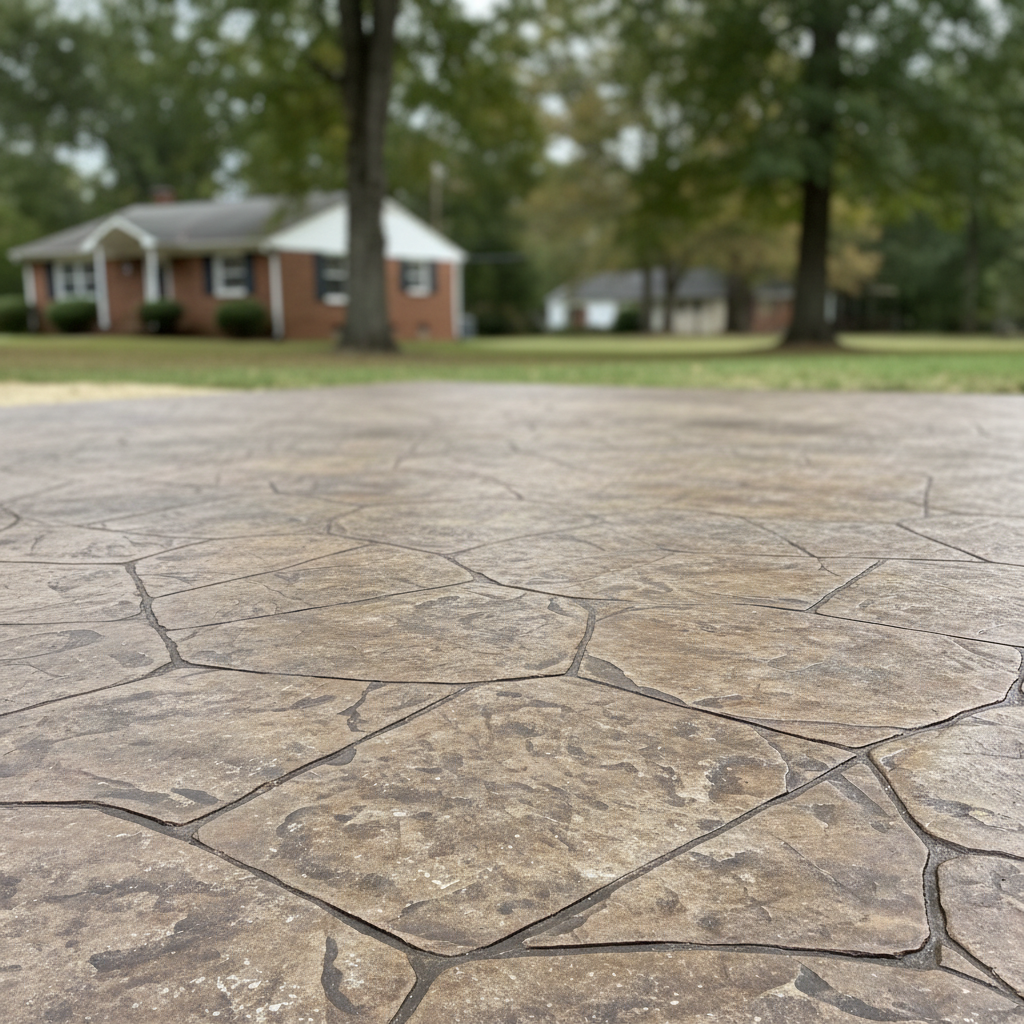
So, you're looking at decorative concrete for your home. Maybe you've seen some cool patios or walkways around Petersburg and thought, 'Hey, I could do that!' It's true, decorative concrete can really transform a space, adding a ton of curb appeal and value. But before you jump in, there are some things you really need to understand about what decorative concrete actually is, and more importantly, what you're getting yourself into.
Before You Start: Planning & Expectations
First off, decorative concrete isn't just one thing. It's a whole category. We're talking about stamped concrete that mimics stone or brick, colored concrete that gives you a specific hue, polished concrete for that modern, sleek look, or even exposed aggregate that shows off the natural stones within the mix. Each one has its own process, its own challenges, and its own cost.
The biggest question you need to ask yourself is: what's the goal? Are you trying to spruce up an old, cracked slab, or are you pouring something brand new? If it's an existing slab, you're usually looking at staining, resurfacing, or polishing. If it's new, then stamping or integral coloring are on the table from the start. Don't underestimate the planning phase. Think about the look you want, the traffic it'll get, and how it'll stand up to our Virginia weather — those hot, humid summers and occasional icy winters can be tough on any outdoor surface if it's not done right.
For DIY, some things are more realistic than others. Applying a concrete stain to an existing, clean, and sound slab? That's definitely something a handy homeowner can tackle. You'll need to clean the surface thoroughly, maybe etch it, and then apply the stain and sealer. It's a lot of prep work and careful application, but it's doable. Same goes for a simple concrete paint or epoxy coating for a garage floor. Just make sure you follow the product instructions to the letter.
During the Project: When to Call a Pro
Now, let's talk about where DIY usually hits a wall. Stamped concrete? Forget about it for a first-timer. Seriously. Stamping concrete is an art and a science that takes experience, specialized tools, and a crew that knows what they're doing. You've got a very short window of time once the concrete is poured to get those patterns pressed in perfectly. If you mess up, you've got a permanent, expensive mistake. It's not like painting a wall where you can just paint over it.
Same goes for pouring a new decorative slab from scratch. Laying the sub-base, setting forms, getting the right slope for drainage (especially important in areas like the Old Towne district where some properties have tricky drainage), mixing and pouring the concrete, and then finishing it properly – that's a job for professionals. You need the right tools, the right mix, and the know-how to make sure it cures correctly and doesn't crack prematurely.
Even resurfacing an existing slab with a decorative overlay can be tricky. These overlays are thin, specialized concrete mixes that need to be applied evenly and correctly to bond properly. If you don't get the prep right, or if your application is uneven, it'll peel or crack, and you'll be back to square one, only with more work to fix it.
When you're dealing with anything that involves pouring new concrete, stamping, or complex resurfacing, that's when you call someone like Genesis Concrete Co. We've got the equipment, the experience, and the team to get it done right the first time. It'll save you a ton of headache, wasted materials, and disappointment in the long run.
After the Project: Maintenance Matters
Once your decorative concrete project is done, whether you did it yourself or hired us, maintenance is key. You've invested time and money, so you want it to last. For most decorative concrete, that means regular cleaning and periodic sealing.
Cleaning is pretty straightforward: sweep off debris, then use a hose and a mild detergent. For tougher stains, you might need a pressure washer, but be careful not to use too high a pressure setting, especially on stamped or stained surfaces, as you can damage the sealer or even the concrete itself. Always test in an inconspicuous spot first.
Sealing is crucial for protecting your decorative concrete from stains, moisture, and UV damage. How often you need to reseal depends on the type of sealer used, the amount of traffic the surface gets, and its exposure to the elements. For outdoor surfaces, especially those exposed to direct sunlight and rain, you'll likely need to reseal every 1-3 years. Indoor surfaces might go much longer. You'll know it's time when water no longer beads up on the surface.
Don't skip on the maintenance. It's not just about looks; it's about protecting your investment. A well-maintained decorative concrete surface will look great and last for decades, adding beauty and value to your Petersburg home.