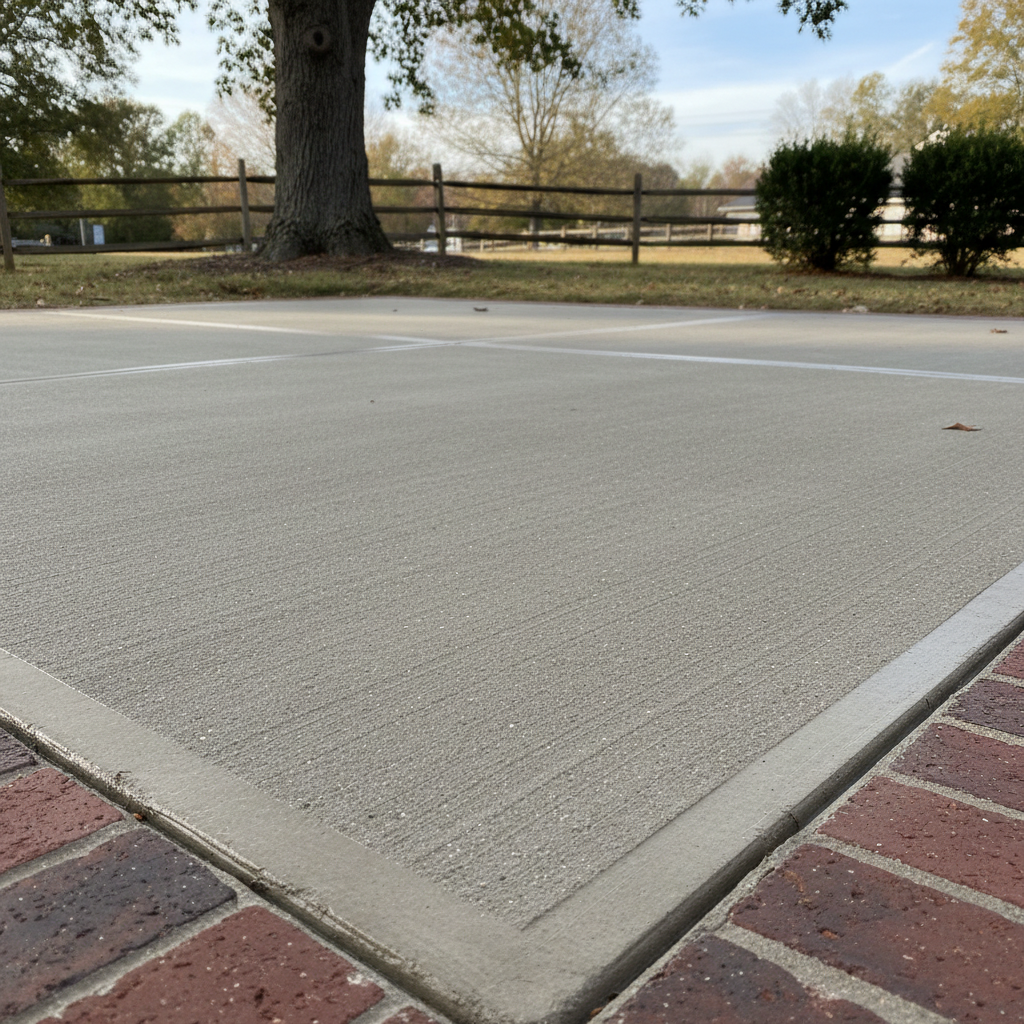
So, you're thinking about putting in some new concrete around your place. Maybe it's a small pad for the grill, a new walkway, or even a bigger patio. It's a common thought for homeowners: "Can I do this myself, or do I need to hire someone?" It's a fair question, and the answer isn't always black and white. Let's talk about it.
Before You Even Start Digging
Planning is everything with concrete. Seriously, don't skip this part. First, you need to decide what you're building and where. Think about drainage. You don't want water pooling up against your foundation or running into your neighbor's yard. Here in Petersburg, especially with some of the older homes near the Appomattox River, you've got to consider how water moves. We get our fair share of rain, and you don't want a new concrete slab creating a bigger problem.
Next, figure out your design and dimensions. How thick does it need to be? A simple walkway might be fine at 4 inches, but a driveway or a pad that's going to hold something heavy, like a shed, needs to be at least 6 inches, maybe more, with proper rebar or wire mesh reinforcement. This isn't just about strength; it's about longevity. You don't want cracks showing up after a year because you skimped on thickness or reinforcement.
Then there's the really important stuff: utilities. Before you dig a single shovel-full, you absolutely have to call 811. It's the law, and it's for your safety. You don't want to hit a gas line, water pipe, or electrical conduit. Trust me, that's a mistake you don't want to make.
The DIY vs. Pro Decision: What's Realistic?
Alright, let's get down to it. What can you realistically do yourself?
- Small, non-structural pads: If you're pouring a small, thin concrete pad for, say, a trash can or an AC unit, and it's not connected to anything else, you might be able to handle it. You'll need to dig out the area, compact the base, build a simple form, mix a few bags of concrete, and finish it.
- Simple repairs: Patching small cracks or fixing a spalled surface on an existing slab can often be a DIY job with the right materials and a little patience.
But here's where I tell you to seriously consider calling a professional, like us at Genesis Concrete Co.:
- Anything larger than a small pad: A patio, a long walkway, a driveway – these require a lot of concrete, and concrete waits for no one. Once it's mixed, you've got a limited window to get it poured, leveled, and finished. It's a race against the clock, and if you're not experienced, it's easy to get overwhelmed.
- Complex shapes or finishes: Want a curved patio? Stamped concrete? Exposed aggregate? These aren't beginner projects. They require specialized tools, techniques, and a lot of practice to get right.
- Structural concrete: If it's a foundation, a retaining wall, or anything that's holding up weight or critical to your home's structure, don't even think about DIY. This is where expertise matters for safety and long-term stability.
- Slopes and drainage: Getting the right slope for drainage is crucial. A professional knows how to set grades accurately to ensure water runs off correctly, preventing future headaches.
- Heavy lifting and equipment: Concrete is heavy. Really heavy. A cubic yard weighs about 4,000 pounds. Mixing and moving it, especially for a bigger project, is back-breaking work. Pros have the equipment and the crew to handle it efficiently and safely.
The truth is, a poorly poured concrete job will look bad, crack prematurely, and ultimately cost you more to fix than if you'd hired a pro in the first place. It's one of those things where saving a few bucks upfront can lead to a much bigger bill down the road.
During the Pour (If You're Doing It)
If you've decided to tackle a small project yourself, make sure you've got everything ready before the first bag of concrete is mixed. That means your forms are solid and level, your base is compacted, and any rebar or mesh is in place and properly supported. Have all your tools – floats, trowels, edgers, a tamper, a wheelbarrow, and a good mixer – clean and ready to go. Once you start, you can't stop. Work methodically, and don't rush the finishing. A smooth, well-finished surface makes all the difference.
After the Concrete's Poured
Curing is just as important as the pour itself. This isn't just about letting it dry; it's a chemical process that strengthens the concrete. You need to keep it moist for at least 7 days, sometimes longer depending on the mix and the weather. You can do this by regularly misting it with water, covering it with plastic sheeting, or using a curing compound. Don't walk or drive on it too soon. Give it at least 24-48 hours before light foot traffic, and a full week (or more) before driving a car on it. Patience here pays off in a stronger, more durable slab.
Keep an eye on it for the first few weeks. If you see any immediate issues, address them. Concrete is a tough material, but it needs a good start to last for decades. If you're ever unsure, or if your project feels like it's getting too big for one person, don't hesitate to reach out. We're here to help Petersburg homeowners get their concrete projects done right.